Anaeshetics put a patient to sleep for an operation. James Simpson was a professor of midwifery. He developed the first effective anaesthetic, chloroform, in 1847. Before Simpson, surgeons had relied on speed to minimise blood loss and pain. This meant that surgery was fast and crude - mistakes were often made and it was impossible to perform complicated procedures. Anaesthetics were the first step in enabling modern surgery.
Opposition to Chloroform
Medical:
Long term effects were unknown (we now know it causes liver damage).
It was easy for the patient to die from an overdose (e.g. Hannah Greener in 1848).
Religious / Moral:
Many believed that pain was good for the character - in the book of Genesis it says that women should give birth amidst great suffering.
Reasons why Chloroform was accepted:
Speeches by Simpson.
John Snow’s chloroform inhaler (1847) made it safe.
Queen Victoria publicly praised “this blessed chloroform” after the birth of her 8th child in 1853.
However, the introduction of chloroform led to the black period of surgery where deaths increased as surgeons carried out more operations and spent longer operating, giving greater chance of infection. They also attempted surgeries for which they were not qualified.
In the long-term, anaesthetics transformed surgery but only when they were later used with antiseptics.
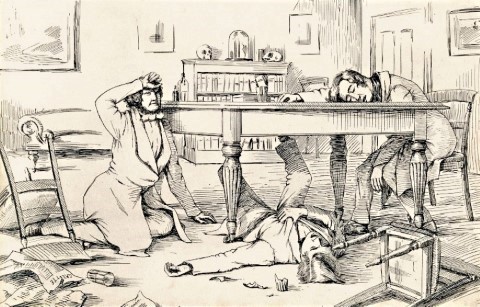
Simpson and friends famously recovering from an experiemnt with chloroform.
Significance
Anaeshetics put a patient to sleep. James Simpson developed the first effective anaesthetic, chloroform, in 1847. Before Simpson, surgeons had relied on speed to minimise blood loss and pain. This meant that surgery was fast and crude - mistakes were often made and it was impossible to perform complicated procedures. Anaesthetics were the first step in enabling modern surgery.
Opposition to Chloroform
Medical:
Long term effects were unknown;
It was easy for the patient to die from an overdose;
Religious / Moral:
Many believed that pain was good for the character;
Reasons why Chloroform was accepted:
Speeches by Simpson.
John Snow’s chloroform inhaler made it safe.
Queen Victoria publicly praised “this blessed chloroform” after the birth of her child.
However, the introduction of chloroform led to the black period of surgery where deaths increased as surgeons carried out more operations and spent longer operating, giving greater chance of infection.
Significance
Anaeshetics put a patient to sleep for an operation. James Simpson was a professor of midwifery. He developed the first effective anaesthetic, chloroform, in 1847. Before Simpson, surgeons had relied on speed to minimise blood loss and pain. This meant that surgery was fast and crude - mistakes were often made and it was impossible to perform complicated procedures. Anaesthetics were the first step in enabling modern surgery.
Opposition to Chloroform
Medical:
Long term effects were unknown (we now know it causes liver damage).
It was easy for the patient to die from an overdose (e.g. Hannah Greener in 1848).
Religious / Moral:
Many believed that pain was good for the character - in the book of Genesis it says that women should give birth amidst great suffering.
Reasons why Chloroform was accepted:
Speeches by Simpson.
John Snow’s chloroform inhaler (1847) made it safe.
Queen Victoria publicly praised “this blessed chloroform” after the birth of her 8th child in 1853.
However, the introduction of chloroform led to the black period of surgery where deaths increased as surgeons carried out more operations and spent longer operating, giving greater chance of infection. They also attempted surgeries for which they were not qualified.
In the long-term, anaesthetics transformed surgery but only when they were later used with antiseptics.
Significance
Anaeshetics put a patient to sleep for an operation. James Simpson was a professor of midwifery. He developed the first effective anaesthetic, chloroform, in 1847. Before Simpson, surgeons had relied on speed to minimise blood loss and pain. This meant that surgery was fast and crude - mistakes were often made and it was impossible to perform complicated procedures. Anaesthetics were the first step in enabling modern surgery.
Opposition to Chloroform
Medical:
Long term effects were unknown (we now know it causes liver damage).
It was easy for the patient to die from an overdose (e.g. Hannah Greener in 1848).
Religious / Moral:
Many believed that pain was good for the character - in the book of Genesis it says that women should give birth amidst great suffering.
Reasons why Chloroform was accepted:
Speeches by Simpson.
John Snow’s chloroform inhaler (1847) made it safe.
Queen Victoria publicly praised “this blessed chloroform” after the birth of her 8th child in 1853.
However, the introduction of chloroform led to the black period of surgery where deaths increased as surgeons carried out more operations and spent longer operating, giving greater chance of infection. They also attempted surgeries for which they were not qualified.
In the long-term, anaesthetics transformed surgery but only when they were later used with antiseptics.