Ignaz Semmelweiss was a Hungarian doctor who made a link between cleanliness and disease. Whilst working in a hospital in Vienna, he investigated the extremely high death rates from mothers in the maternity unit. He discovered that a woman was 9 times more likely
to die of childbed fever if the baby was delivered by a doctor rather than a midwife. Semmelweiss realised that the doctors were spreading
the infection as they were coming straight from performing autopsies to the maternity unit without washing their hands.
In 1847 Semmelweiss insisted that doctors wash their hands in chloride of lime and this was amazingly successful. Deaths fell from over 10% to under 1%. However Semmelweiss could not explain why this worked and many doctors rejected his ideas as they went against accepted theories and were not backed up by scientific method. He also found it hard to communicate and his bullying style did not help.
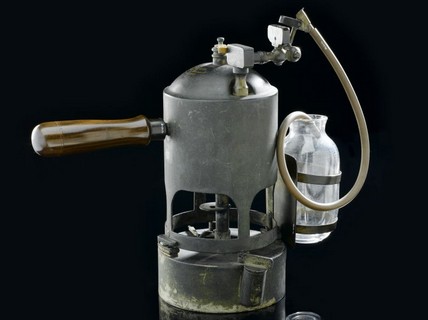
Joseph Lister introduced antiseptic surgery. This is using chemicals to kill bacteria. Before Lister, roughly half (46%) of all patients who had an operation died from septicaemia (infection). Lister was aware of Pasteur’s germ theory. He used carbolic acid to soak the wound, the surgeon’s hands and the instruments. He first used carbolic acid in 1865 and then developed a spray in 1867. He cut the death rate by two thirds to only one in six (16%).
Opposition
Lister’s ideas were slow to be accepted for several reasons:
Slow acceptance of germ theory, many didn’t believe such tiny micro-organisms could kill a healthy person
Some surgeons copied Lister’s methods but didn’t achieve as good results
Antiseptic surgery slowed down operations and was unpleasant to work with
Lister was arrogant and many disliked being told their traditional methods were wrong.
Acceptance
Antiseptic surgery was accepted by most surgeons by the late 1870s. In 1877 Lister moved from Edinburgh to London where he could demonstrate his methods. In 1878 Robert Koch identified the bacterium that causes septicaemia which helped to prove Lister’s ideas. By the 1890s antiseptic surgery was replaced by aseptic surgery (ensuring a sterile environment in the operating theatre). This was helped by the development of Koch's steam steriliser in 1890. However, there was still no way to cure post-operative infection or replace lost blood.
Joseph Lister introduced antiseptic surgery. This is using chemicals to kill bacteria. Before Lister, roughly half of all patients who had an operation died from infection. Lister knew about Pasteur’s germ theory and he used carbolic acid to soak the wound, the surgeon’s hands and the instruments. He first used carbolic spray in 1867. He cut the death rate by two thirds to only one in six (16%).
Opposition
Lister’s ideas were slow to be accepted for several reasons:
Slow acceptance of germ theory, many didn’t believe such tiny micro-organisms could kill a healthy person
Some surgeons copied Lister’s methods but didn’t achieve as good results
Antiseptic surgery slowed down operations and was unpleasant to work with
Acceptance
Antiseptic surgery was accepted by most surgeons by the late 1870s. This was helped by Lister moving from Edinburgh to London where he could demonstrate his methods and by Robert Koch who proved Germ Theory and identified the bacterium that was killing people during surgery. By the 1890s antiseptic surgery was replaced by aseptic surgery (ensuring a sterile environment in the operating theatre).
Joseph Lister introduced antiseptic surgery. This is using chemicals to kill bacteria. Before Lister, roughly half (46%) of all patients who had an operation died from septicaemia (infection). Lister was aware of Pasteur’s germ theory. He used carbolic acid to soak the wound, the surgeon’s hands and the instruments. He first used carbolic acid in 1865 and then developed a spray in 1867. He cut the death rate by two thirds to only one in six (16%).
Opposition
Lister’s ideas were slow to be accepted for several reasons:
Slow acceptance of germ theory, many didn’t believe such tiny micro-organisms could kill a healthy person
Some surgeons copied Lister’s methods but didn’t achieve as good results
Antiseptic surgery slowed down operations and was unpleasant to work with
Lister was arrogant and many disliked being told their traditional methods were wrong.
Acceptance
Antiseptic surgery was accepted by most surgeons by the late 1870s. In 1877 Lister moved from Edinburgh to London where he could demonstrate his methods. In 1878 Robert Koch identified the bacterium that causes septicaemia which helped to prove Lister’s ideas. By the 1890s antiseptic surgery was replaced by aseptic surgery (ensuring a sterile environment in the operating theatre).
Ignaz Semmelweiss was a Hungarian doctor who made a link between cleanliness and disease. Whilst working in a hospital in Vienna, he investigated the extremely high death rates from mothers in the maternity unit. He discovered that a woman was 9 times more likely
to die of childbed fever if the baby was delivered by a doctor rather than a midwife. Semmelweiss realised that the doctors were spreading
the infection as they were coming straight from performing autopsies to the maternity unit without washing their hands.
In 1847 Semmelweiss insisted that doctors wash their hands in chloride of lime and this was amazingly successful. Deaths fell from over 10% to under 1%. However Semmelweiss could not explain why this worked and many doctors rejected his ideas as they went against accepted theories and were not backed up by scientific method. He also found it hard to communicate and his bullying style did not help.
Joseph Lister introduced antiseptic surgery. This is using chemicals to kill bacteria. Before Lister, roughly half (46%) of all patients who had an operation died from septicaemia (infection). Lister was aware of Pasteur’s germ theory. He used carbolic acid to soak the wound, the surgeon’s hands and the instruments. He first used carbolic acid in 1865 and then developed a spray in 1867. He cut the death rate by two thirds to only one in six (16%).
Opposition
Lister’s ideas were slow to be accepted for several reasons:
Slow acceptance of germ theory, many didn’t believe such tiny micro-organisms could kill a healthy person
Some surgeons copied Lister’s methods but didn’t achieve as good results
Antiseptic surgery slowed down operations and was unpleasant to work with
Lister was arrogant and many disliked being told their traditional methods were wrong.
Acceptance
Antiseptic surgery was accepted by most surgeons by the late 1870s. In 1877 Lister moved from Edinburgh to London where he could demonstrate his methods. In 1878 Robert Koch identified the bacterium that causes septicaemia which helped to prove Lister’s ideas. By the 1890s antiseptic surgery was replaced by aseptic surgery (ensuring a sterile environment in the operating theatre). This was helped by the development of Koch's steam steriliser in 1890. However, there was still no way to cure post-operative infection or replace lost blood.