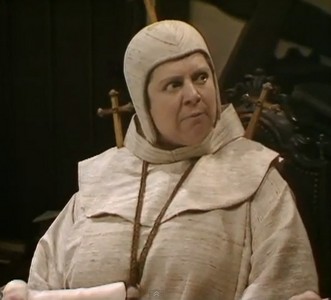
Who were the Puritans?
Puritans were strict Protestants. They aimed to wipe out any remaining Catholic practices in England. They saw Elizabeth's Religious Settlement as a step in the right direction, but felt that reform needed to go further.
Why were Puritans seen as a threat?
Elizabeth saw her Religious Settlement as final. She was keen to end the religious divisions that had torn the country apart. She therefore saw any attempts to seek further religious changes as an attack on unity and stability. Some puritans also disliked bishops and the hierarchy of the Church. She saw this as a dangerous attack on the social order. Even worse were separatists who tried to set up their own churches outside the Church of England.
Actions taken against Puritans
- 1583: Elizabeth suspended Archbishop Grindal for supporting puritans.
- 1583: John Stubbs had his right hand chopped off for publishing a pamphlet criticising Elizabeth's marriage negotiations with a Catholic prince.
- 1592: Two Separatists were hanged.
How important were the Puritans?
Elizabeth saw puritans as a threat to her authority. However, several senior members of her government like Robert Dudley, Earl of Leicester, and Sir Francis Walsingham were both puritans. Although the puritans were a threat to her Religious Settlement, they weren't as much of a danger as the Catholic threat as they weren't trying to kill or overthrow her.
Who were the Puritans?
Puritans were strict Protestants. They aimed to eradicate any remaining Catholic practices in England. They saw Elizabeth's Religious Settlement as a step in the right direction, but that the Reformation remained unfinished. For example, they disliked the fact that priests were expected to wear surplices (robes).
Why were Puritans seen as a threat?
Elizabeth saw her Religious Settlement as final as she was determined to end the religious divisions that had torn the country apart. She therefore regarded any attempts to seek further religious changes as an attack on stability and on her own authority. Some puritans, called presbyterians, also wanted to abolish bishops and the hierarchy of the Church. Elizabeth saw this as a dangerous attack on the social order. Even worse were separatists who tried to set up their own churches outside the Church of England.
Actions taken against Puritans
- 1583: Elizabeth suspended Archbishop Grindal for supporting puritan prayer meetings known as prophesyings. He was replaced by John Whitgift who stopped them.
- 1583: John Stubbs had his right hand chopped off for publishing a pamphlet criticising Elizabeth's marriage negotiations with a Catholic prince.
- 1592: Separatists Barrow and Greenwood were hanged.
- 1593: Act against Seditious Sectaries allowed separatists to be imprisoned or executed.
How important were the Puritans?
Elizabeth saw puritans as a threat to her authority. In many ways the Puritans posed a less serious threat than the Catholics because they weren't trying to kill or overthrow her, or support a foreign invasion. However, they were more powerful than the Catholics as they had support within Parliament and the Privy Council. Robert Dudley, Earl of Leicester, and Sir Francis Walsingham were both puritan sympathisers. Therefore the puritans posed a more significant threat to her Religious Settlement. After the death of Dudley (1588) and Walsingham (1590), Elizabeth treated puritans more harshly.
Who were the Puritans?
Puritans were strict Protestants (the "hotter type of Protestant". They aimed to eradicate any remaining Catholic practices in England, such as requirement for priests to wear surplices (vestments). They saw Elizabeth's Religious Settlement as a step in the right direction, but that the Reformation remained unfinished.
Why were Puritans seen as a threat?
Elizabeth saw her Religious Settlement as final as she was determined to end the religious divisions that had torn the country apart. She therefore regarded any attempts to seek further religious changes as an attack on stability and on her own authority. Presbyterians, inspired by Calvinists from Geneva, also wanted to abolish bishops and the hierarchy of the Church. Elizabeth saw this as a dangerous attack on the social order. Even worse were separatists who tried to set up their own churches outside the Church of England.
Actions taken against Puritans
- 1571: Elizabeth closed Parliament when Walter Strickland tried to reform the Prayer Book and ban vestments.
- 1583: Elizabeth suspended Archbishop Grindal for supporting puritan prayer meetings known as prophesyings and expelled 200 puritan priests. Grindal was replaced by John Whitgift who stopped them.
- 1583: John Stubbs had his right hand chopped off for publishing a pamphlet criticising Elizabeth's marriage negotiations with a Catholic prince.
- 1592: Separatists Barrow and Greenwood were hanged.
- 1593: Act against Seditious Sectaries allowed separatists to be imprisoned or executed.
How important were the Puritans?
Elizabeth saw puritans as a threat to her authority. In many ways the Puritans posed a less serious threat than the Catholics because they weren't trying to kill or overthrow her, or support a foreign invasion. However, they were more powerful than the Catholics as they had support within Parliament and the Privy Council. Robert Dudley, Earl of Leicester, and Sir Francis Walsingham were both puritan sympathisers. Therefore the puritans posed a more significant threat to her Religious Settlement. After the death of Dudley (1588) and Walsingham (1590), Elizabeth treated puritans more harshly.