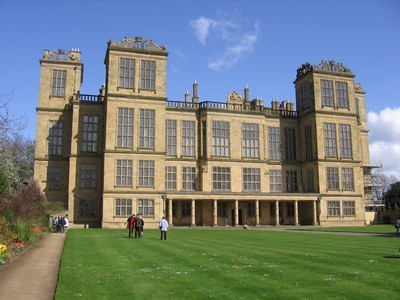
The Gentry were the important landowners in Elizabethan England. They lived in comfortable houses with servants. However, they were not as wealthy or as socially high class as the nobility who were descended from the old, aristocratic families in England.
The Gentry became wealthier and more powerful during Elizabeth's reign because:
- Elizabeth didn't trust many of the older noble families so relied more on people from the gentry to help run the government.
- The gentry became richer by buying up the land from the monasteries after Henry VIII had closed them down.
- They also became richer because of The growth of the wool trade.
The rise of the gentry changed Elizabethan society by:
- Building - they built grand estates.
- Education - they founded schools and supported scientists.
- Voyages - they funded voyages around the globe.
The rise of the gentry was a key factor in establishing the Elizabethan Golden Age.
The Gentry were important landowners in Elizabethan England. They lived in comfortable houses with servants and dominated the House of Commons in Parliament. However, they were not as wealthy or as socially high class as the nobility who were descended from the old, aristocratic families in England.
The Gentry became wealthier and more powerful during Elizabeth's reign because:
- Elizabeth didn't trust many of the older noble families so relied more on people from the gentry to help run the government.
- The gentry became richer by buying up the land from the monasteries after Henry VIII had closed them down during the Reformation. They then made money by renting out this land.
- The growth of the wool trade also made many of the gentry much richer.
The rise of the gentry changed Elizabethan society by:
- Building - they built grand estates.
- Education - they founded grammar schools and funded scientists.
- Voyages - they funded voyages around the globe.
The rise of the gentry was a key factor in establishing the Elizabethan Golden Age.
The Gentry were important landowners in Elizabethan England. They lived in comfortable houses and did not have to do any manual work. They dominated the House of Commons in Parliament. However, they were not as wealthy or as socially high class as the nobility who were descended from the old, aristocratic families in England.
The Gentry became wealthier and more powerful during Elizabeth's reign because:
- Elizabeth didn't trust many of the older noble families so relied more on people from the gentry to help run the government. Some joined the Privy Council (e.g. Francis Walsingham) and in local areas, the gentry became Justices of the Peace (JPs).
- The gentry became richer by buying up the land from the monasteries after Henry VIII had closed them down during the Reformation. They then made money by renting out this land.
- The growth of the wool trade also made many of the gentry much richer.
The rise of the gentry changed Elizabethan society by:
- Building - they built grand estates, for example Hardwick Hall.
- Education - they founded grammar schools and funded scientists.
- Voyages - they funded voyages around the globe.
- Arts - they acted as patrons to artists.
The rise of the gentry was a key factor in establishing the Elizabethan Golden Age.