Elizabeth's reign is sometimes described as a Golden Age because of the amazing art and literature produced, the thriving theatres and the advances in science and in exploration. It was also a relatively peaceful and S. T. A. B. L. E. time when many people were becoming richer.
Science
There were breakthroughs in:
Medicine - as the writings of Vesalius (on anatomy) slowly became accepted.
Navigation - such as the invention of the astrolabe.
Maths - Napier invented logarithms.
Theatre
Theatre became far more popular and more socially acceptable.
New theatres were built, such as the The Red Lion (1567) and The Globe (1599).
Great plays were written, such as those by Shakespeare and Marlowe.
Art
It was a successful time for other arts such as:
Music - e.g. the composer William Byrd.
Painting - e.g. the artist Nicholas Hilliard.
Buildings
The growing wealth of the gentry led to large country houses being built such as Hardwick Hall, designed by Robert Smythson, using the latest Renaissance styles.
Literature
As well as the plays and poetry of Shakespeare there were other great writers who produced poems and plays that are still admired today - e.g. Edmund Spenser and Sir Philip Sidney.
Exploration
There were dramatic voyages around the world that brought great wealth, new discoveries and increased English power.
Sir Francis Drake circumnavigated the globe 1577-1580, returning with enormous amounts of treasure.
John Hawkins developed the power of the navy and made money from the slave trade.
Sir Walter Raleigh laid the foundations for future colonies in America.
Not Golden?
However, some people argue that it was not a Golden Age as there were still large amounts of poverty and superstition. Scientific understanding, especially medicine, was very basic, with many believing in alchemy and witchcraft. Society was not perhaps all that sophisticated: torture and execution were allowed and blood sports such as bear-baiting were popular.
Why Elizabethan England was a Golden Age:
Science
Theatre
Art
Buildings
Literature
Exploration
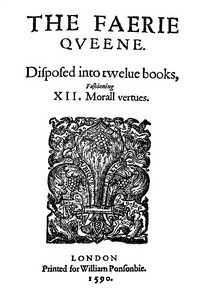
Spenser's The Faerie Queen
Elizabeth's reign is sometimes described as a Golden Age because of the art and literature produced, the thriving theatres and the advances in science and in exploration. It was also a peaceful and S. T. A. B. L. E. time when many people were becoming richer.
Science
There were breakthroughs in navigation and maths.
Theatre
Theatre became far more popular and more acceptable.
New theatres were built, such as the Globe.
Great plays were written, e.g. those by Shakespeare.
Art
It was a successful time for other arts such as:
Music
Painting
Buildings
The growing wealth of the gentry led to large country houses being built (such as Hardwick Hall), using the latest Renaissance styles.
Literature
As well as the plays and poetry of Shakespeare there were other great writers who produced poems and plays that are still admired today - e.g. Edmund Spenser.
Exploration
There were dramatic voyages around the world that brought great wealth, new discoveries and increased English power.
Drake circumnavigated the globe, returning with enormous amounts of treasure.
Hawkins developed the power of the navy and made money from the slave trade.
Raleigh laid the foundations for future colonies in America.
Not Golden?
However, some people argue that it was not a Golden Age as there were still a lot of poverty and superstition.
Elizabeth's reign is sometimes described as a Golden Age because of the art and literature produced, the thriving theatres and the advances in science and in exploration. It was also a peaceful and S. T. A. B. L. E. time when many people were becoming richer.
Science
In medicine, the writings of Vesalius (on anatomy) slowly became accepted.
There were breakthroughs in navigation (such as the astrolabe) and maths.
Theatre
Theatre became far more popular and more acceptable.
New theatres were built, such as the The Red Lion and The Globe.
Great plays were written, e.g. those by Shakespeare and Marlowe.
Art
It was a successful time for other arts such as:
Music
Painting
Buildings
The growing wealth of the gentry led to large country houses being built (such as Hardwick Hall), using the latest Renaissance styles.
Literature
As well as the plays and poetry of Shakespeare there were other great writers who produced poems and plays that are still admired today - e.g. Edmund Spenser.
Exploration
There were dramatic voyages around the world that brought great wealth, new discoveries and increased English power.
Sir Francis Drake circumnavigated the globe 1577-1580, returning with enormous amounts of treasure.
John Hawkins developed the power of the navy and made money from the slave trade.
Sir Walter Raleigh laid the foundations for future colonies in America.
Not Golden?
However, some people argue that it was not a Golden Age as there were still large amounts of poverty and superstition. Scientific understanding, especially medicine, was very basic, and society was not perhaps all that sophisticated: torture and execution were allowed and blood sports such as bear-baiting were popular.
Elizabeth's reign is sometimes described as a Golden Age because of the amazing art and literature produced, the thriving theatres and the advances in science and in exploration. It was also a relatively peaceful and S. T. A. B. L. E. time when many people were becoming richer.
Science
There were breakthroughs in:
Medicine - as the writings of Vesalius (on anatomy) slowly became accepted.
Navigation - such as the invention of the astrolabe.
Maths - Napier invented logarithms.
Theatre
Theatre became far more popular and more socially acceptable.
New theatres were built, such as the The Red Lion (1567) and The Globe (1599).
Great plays were written, such as those by Shakespeare and Marlowe.
Art
It was a successful time for other arts such as:
Music - e.g. the composer William Byrd.
Painting - e.g. the artist Nicholas Hilliard.
Buildings
The growing wealth of the gentry led to large country houses being built such as Hardwick Hall, designed by Robert Smythson, using the latest Renaissance styles.
Literature
As well as the plays and poetry of Shakespeare there were other great writers who produced poems and plays that are still admired today - e.g. Edmund Spenser and Sir Philip Sidney.
Exploration
There were dramatic voyages around the world that brought great wealth, new discoveries and increased English power.
Sir Francis Drake circumnavigated the globe 1577-1580, returning with enormous amounts of treasure.
John Hawkins developed the power of the navy and made money from the slave trade.
Sir Walter Raleigh laid the foundations for future colonies in America.
Not Golden?
However, some people argue that it was not a Golden Age as there were still large amounts of poverty and superstition. Scientific understanding, especially medicine, was very basic, with many believing in alchemy and witchcraft. Society was not perhaps all that sophisticated: torture and execution were allowed and blood sports such as bear-baiting were popular.