How and why did the treatment of Catholics change?
Treatment of Catholics early in Elizabeth's reign
Elizabeth was tolerant towards Catholics early in her reign. Her Religious Settlement was a Via Media (middle way) which was designed not to upset Catholics. Elizabeth also ensured that recusancy fines, for not attending church, were kept low.
The growing Catholic threat
After 1568, Elizabeth began to see Catholicism as a threat. The arrival of Mary Queen of Scots, the Papal Bull and a series of plots and rebellions, often linked with the threat of foreign invasion, meant that Catholicism became associated with treason. The St Bartholomew's Day Massacre in 1572 struck fear into the hearts of many, including Sir Francis Walsingham who witnessed it in Paris.
In 1574 Catholic Seminary Priests (also known as missionaries) arrived in England. They had been trained at a seminary college in Douai by Cardinal William Allen. They hoped to convert the English back to Catholicism.
In 1580 Jesuit priests, including Edmund Campion, came to England to try to convert Protestants back to Catholicism. Whilst in England he secretly published a pamphlet, Ten Reasons, that criticised the Anglican Church. Campion was captured by a priest hunter and in 1581 he was hanged, drawn and quartered.
Laws against Catholics:
1571: Treason Acts made it an offence to deny that Elizabeth was the rightful Queen.
1581: Recusancy fines increased to £20 so only the rich could afford them and it became treason to attend a Catholic mass.
1584: Bond of Association. Should Elizabeth's be killed, anyone who benefited from her death would be punished. This was in response to the assassination of the Protestant William the Silent in the Netherlands.
1585: The Act against Seminary Priests and Jesuits made it treason to be a Catholic priest; they could be executed.
1593: The Statute of Confinement meant that Catholics could not travel more than 5 miles from their home without permission.
Evaluation
During the 1580s there was much greater fear of Catholicism, partly due to the threat of invasion from Spain. In reality, there were no more plots after the death of Mary Queen of Scots in 1587 and the missionary priests struggled to serve the remaining Catholics in England, let alone convert new ones.
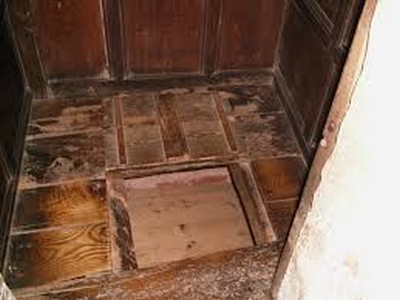
A Priest Hole
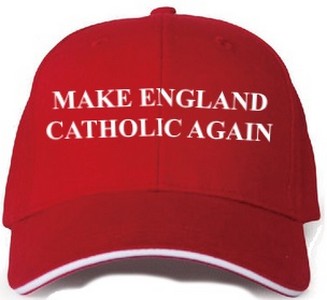
The Seminary Priests didn't wear these
Treatment of Catholics early in Elizabeth's reign
Elizabeth was tolerant towards Catholics early in her reign. Her Religious Settlement was a Middle Way which was designed not to upset Catholics. Elizabeth also made sure that fines for not attending church (recusancy fines) were low.
The growing Catholic threat
After 1568, Elizabeth began to see Catholicism as a threat. The arrival of Mary Queen of Scots, the Papal Bull and a series of plots and rebellions meant that Catholicism became associated with treason.
In 1574 Catholic missionaries (also known as seminary priests) arrived in England. They hoped to convert the English back to Catholicism.
In 1580 Jesuit priests came to England to try to convert Protestants back to Catholicism.
Laws against Catholics:
1581 Recusancy fines increased so only the rich could afford them.
1585 It became treason to be a Catholic priest; they could be executed.
1593 Catholics could not travel more than 5 miles from their home.
Evaluation
During the 1580s there was much greater fear of Catholicism, partly due to the threat of invasion from Spain. In reality, there were no more plots after the death of Mary Queen of Scots in 1587 and the missionary priests struggled to serve the remaining Catholics in England, let alone convert new ones.
Treatment of Catholics early in Elizabeth's reign
Elizabeth was tolerant towards Catholics early in her reign. Her Religious Settlement was a Middle Way which was designed not to upset Catholics. Elizabeth also ensured that recusancy fines, for not attending church, were kept low.
The growing Catholic threat
After 1568, Elizabeth began to see Catholicism as a threat. The arrival of Mary Queen of Scots, the Papal Bull and a series of plots and rebellions, often linked with the threat of foreign invasion, meant that Catholicism became associated with treason.
In 1574 Catholic Seminary Priests (also known as missionaries) arrived in England. They had been trained at Douai by Cardinal William Allen. They hoped to convert the English back to Catholicism.
In 1580 Jesuit priests, including Edmund Campion, came to England to try to convert Protestants back to Catholicism. Campion was captured by a priest hunter and in 1581 he was hanged, drawn and quartered.
Laws against Catholics:
1581: Recusancy fines increased to £20 so only the rich could afford them.
1585: The Act against Seminary Priests and Jesuits made it treason to be a Catholic priest; they could be executed.
1593: The Statute of Confinement meant that Catholics could not travel more than 5 miles from their home without permission.
Evaluation
During the 1580s there was much greater fear of Catholicism, partly due to the threat of invasion from Spain. In reality, there were no more plots after the death of Mary Queen of Scots in 1587 and the missionary priests struggled to serve the remaining Catholics in England, let alone convert new ones.
Treatment of Catholics early in Elizabeth's reign
Elizabeth was tolerant towards Catholics early in her reign. Her Religious Settlement was a Via Media (middle way) which was designed not to upset Catholics. Elizabeth also ensured that recusancy fines, for not attending church, were kept low.
The growing Catholic threat
After 1568, Elizabeth began to see Catholicism as a threat. The arrival of Mary Queen of Scots, the Papal Bull and a series of plots and rebellions, often linked with the threat of foreign invasion, meant that Catholicism became associated with treason. The St Bartholomew's Day Massacre in 1572 struck fear into the hearts of many, including Sir Francis Walsingham who witnessed it in Paris.
In 1574 Catholic Seminary Priests (also known as missionaries) arrived in England. They had been trained at a seminary college in Douai by Cardinal William Allen. They hoped to convert the English back to Catholicism.
In 1580 Jesuit priests, including Edmund Campion, came to England to try to convert Protestants back to Catholicism. Whilst in England he secretly published a pamphlet, Ten Reasons, that criticised the Anglican Church. Campion was captured by a priest hunter and in 1581 he was hanged, drawn and quartered.
Laws against Catholics:
1571: Treason Acts made it an offence to deny that Elizabeth was the rightful Queen.
1581: Recusancy fines increased to £20 so only the rich could afford them and it became treason to attend a Catholic mass.
1584: Bond of Association. Should Elizabeth's be killed, anyone who benefited from her death would be punished. This was in response to the assassination of the Protestant William the Silent in the Netherlands.
1585: The Act against Seminary Priests and Jesuits made it treason to be a Catholic priest; they could be executed.
1593: The Statute of Confinement meant that Catholics could not travel more than 5 miles from their home without permission.
Evaluation
During the 1580s there was much greater fear of Catholicism, partly due to the threat of invasion from Spain. In reality, there were no more plots after the death of Mary Queen of Scots in 1587 and the missionary priests struggled to serve the remaining Catholics in England, let alone convert new ones.