Surgery in the Middle Ages was very basic and dangerous. The four main problems of surgery had not been solved:
Pain: Natural substances such as opium, hemlock and mandrake were used to numb the pain but overdoses could be fatal.
Infection: there was no understanding of germs so many patients died from infection. Hugh of Lacca used wine to reduce the chances
of infection but this idea wasn't popular.
Blood Loss: surgeons cauterised wounds and worked quickly to minimise blood loss.
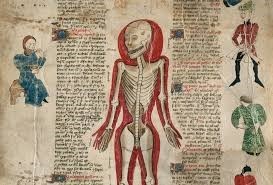
Anatomical Understanding: was very poor as dissection was forbidden. Therefore surgeons had little understanding of how
the body works.
Barber surgeons carried out basic procedures such as blood-letting, amputation or trepanning. John of Arderne is known as the father
of surgery. He managed to remove anal abscesses or fistulas, with a 50% success rate. He also developed an ointment for treating arrow wounds.
Arderne tried to professionalise surgery by introducing a guild system. War helped develop surgical practice. Arderne, for example, fought in
the Hundred Years War against France.
Arabic surgery was more advanced. Abulcasis, a Muslim surgeon, wrote a 30 volume book on medicine, invented 26 new surgical procedures, popularised cauterisation and also described using ligatures.
Medieval Surgery
Surgery in the Middle Ages was very basic and dangerous. The four main problems of surgery had not been solved:
Pain
Infection
Blood Loss
Anatomical Understanding
Therefore the death rate was very high, about 50%. Most surgery was simple, such as removing warts or fixing broken bones and
sometimes amputations. Surgery was carried out either by Barber Surgeons or army surgeons.
Surgery in the Middle Ages was very basic and dangerous. The four main problems of surgery had not been solved:
Pain: Natural substances such as opium, hemlock and mandrake were used to numb the pain but overdoses could be fatal.
Infection: there was no understanding of germs so many patients died from infection.
Blood Loss: surgeons cauterised wounds and worked quickly to minimise blood loss.
Anatomical Understanding: was very poor as dissection was forbidden. Therefore surgeons had little understanding of how the body works.
Barber surgeons carried out basic procedures such as blood-letting, amputation or trepanning. John of Arderne is known as the father of surgery. He managed to remove anal abscesses or fistulas, with a 50% success rate. He also developed an ointment for treating arrow wounds. Arderne tried to professionalise surgery by introducing a guild system. War helped develop surgical practice. Arderne, for example, fought in the Hundred Years War against France.
Surgery in the Middle Ages was very basic and dangerous. The four main problems of surgery had not been solved:
Pain: Natural substances such as opium, hemlock and mandrake were used to numb the pain but overdoses could be fatal.
Infection: there was no understanding of germs so many patients died from infection. Hugh of Lacca used wine to reduce the chances of infection but this idea wasn't popular.
Blood Loss: surgeons cauterised wounds and worked quickly to minimise blood loss.
Anatomical Understanding: was very poor as dissection was forbidden. Therefore surgeons had little understanding of how the body works.
Barber surgeons carried out basic procedures such as blood-letting, amputation or trepanning. John of Arderne is known as the father of surgery. He managed to remove anal abscesses or fistulas, with a 50% success rate. He also developed an ointment for treating arrow wounds. Arderne tried to professionalise surgery by introducing a guild system. War helped develop surgical practice. Arderne, for example, fought in the Hundred Years War against France.
Arabic surgery was more advanced. Abulcasis, a Muslim surgeon, wrote a 30 volume book on medicine, invented 26 new surgical procedures, popularised cauterisation and also described using ligatures.