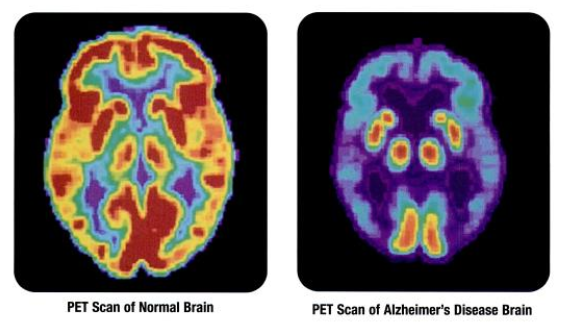
Technology has had an enormous impact on modern medicine:
Diagnosis: the X-Ray was developed by Wilhelm Rontgen in 1895. More recently, ultrasound and MRI scanners enable doctors to see inside the patient without causing any harm.
Science: new technology has helped scientific understanding, for example the electron microscope helped with the development of magic bullets and X-Ray crystallography was crucial in discovering the structure of DNA.
Nuclear Medicine: knowledge of physics and new superconductors have enabled MRI scanners. Radiotherapy can now be precisely targeted at tumours.
Lasers: are used in surgery to cauterise tiny blood vessels and to shape tissue, e.g. in eye surgery.
Drugs: advanced chemistry and computer modelling are used in the development of new drugs.
Computers: are used to read, analyse and synthesise DNA.
Technology has had an enormous impact on modern medicine:
Diagnosis: the X-Ray was discovered in 1895. More recently, ultrasound and MRI scanners enable doctors to see inside the patient without causing any harm.
Science: new technology has helped scientific understanding, for example the electron microscope helped with the development of magic bullets.
Lasers: are used in surgery.
Drugs: advanced chemistry and computer modelling are used in the development of new drugs.
Technology has had an enormous impact on modern medicine:
Diagnosis: the X-Ray was developed by Wilhelm Rontgen in 1895. More recently, ultrasound and MRI scanners enable doctors to see inside the patient without causing any harm.
Science: new technology has helped scientific understanding, for example the electron microscope helped with the development of magic bullets and X-Ray crystallography was crucial in discovering the structure of DNA.
Nuclear Medicine: knowledge of physics and new superconductors have enabled MRI scanners. Radiotherapy can now be precisely targeted at tumours.
Lasers: are used in surgery to cauterise tiny blood vessels and to shape tissue, e.g. in eye surgery.
Drugs: advanced chemistry and computer modelling are used in the development of new drugs.
Technology has had an enormous impact on modern medicine:
Diagnosis: the X-Ray was developed by Wilhelm Rontgen in 1895. More recently, ultrasound and MRI scanners enable doctors to see inside the patient without causing any harm.
Science: new technology has helped scientific understanding, for example the electron microscope helped with the development of magic bullets and X-Ray crystallography was crucial in discovering the structure of DNA.
Nuclear Medicine: knowledge of physics and new superconductors have enabled MRI scanners. Radiotherapy can now be precisely targeted at tumours.
Lasers: are used in surgery to cauterise tiny blood vessels and to shape tissue, e.g. in eye surgery.
Drugs: advanced chemistry and computer modelling are used in the development of new drugs.
Computers: are used to read, analyse and synthesise DNA.