The crisis of 1923 was solved by the new Chancellor, Stresemann. He ended hyperinflation by scrapping the old currency and introducing a new one, the Rentenmark which was linked to the value of gold. He also did a deal with the French and Belgians over reparations so their soldiers left Germany.
The Years 1924-1928 are called ‘Golden’ because many things improved:
Politics: Most people voted for pro-Weimar Republic parties. There were no violent uprisings and the SPD provided some continuity as they were in coalition government throughout this period. Stresemann provided leadership as foreign secretary until his death in 1929.
Economy: hyperinflation was cured and economic production increased to over 33% above pre WWI levels by 1929. This was helped by the Dawes Plan which loaned Germany 800m marks from America and the reduced reparation payments. In 1929 the Young Plan further reduced reparations and agreed that Germany should only have to pay each year what it could afford. The government also introduced a welfare system.
Foreign Affairs: Germany became accepted as a great power for the first time since WWI. In 1925 they signed the Locarno Pact which guaranteed Germany's western borders and in 1926 they were able to join the League of Nations.
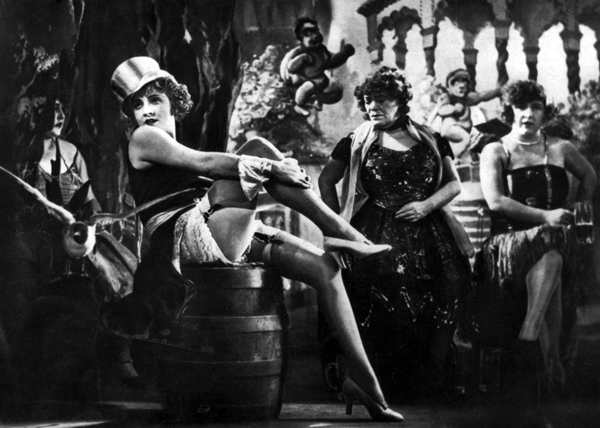
Culture: Germany was the centre of new, exciting styles in art and music, for example the new cabaret clubs. Berlin was now the third largest city in the world and became a focal point for artists such as Otto Dix who promoted New Objectivity in art, emphasising the horrors of war, for example.
However, not all problems were solved. Governments were still weak coalitions and therefore unstable. Unemployment was still high, especially amongst middle class workers, and the economy totally depended upon American loans. Stresemann reognised this weakness when he declared: "We're dancing on the edge of a volcano."
German film star Marlene Dietrich in 'Der blaue Engel' (1929). Photo: DPA
The crisis of 1923 was solved by the new Chancellor, Stresemann. He ended hyperinflation by scrapping the old currency and introducing a new one. He also did a deal with the French and Belgians over reparations so their soldiers left Germany.
The Years 1924-1928 are called ‘Golden’ because many things improved:
Politics: Most people voted for pro-Weimar Republic parties. There were no violent uprisings.
Economy: hyperinflation was cured and economic production increased. This was helped by the Dawes Plan - a loan of 800m marks from America.
Foreign Affairs: Germany became accepted as a great power for the first time since WWI - In 1926 they were able to join the League of Nations.
Culture: Germany was the centre of new, exciting styles in art and music, for example the new cabaret clubs.
However, not all problems were solved. Governments were still weak coalitions and unemployment was still high and the economy depended upon American loans.
The crisis of 1923 was solved by the new Chancellor, Stresemann. He ended hyperinflation by scrapping the old currency and introducing a new one, the Rentenmark which was linked to the value of gold. He also did a deal with the French and Belgians over reparations so their soldiers left Germany.
The Years 1924-1928 are called ‘Golden’ because many things improved:
Politics: Most people voted for pro-Weimar Republic parties. There were no violent uprisings.
Economy: hyperinflation was cured and economic production increased, finally overtaking pre WWI levels. This was helped by the Dawes Plan - a loan of 800m marks from America. In 1929 the Young Plan reduced reparation payments and agreed that Germany should only have to pay each year what it could afford.
Foreign Affairs: Germany became accepted as a great power for the first time since WWI. In 1925 they signed the Locarno Pact which guaranteed Germany's western borders and in 1926 they were able to join the League of Nations.
Culture: Germany was the centre of new, exciting styles in art and music, for example the new cabaret clubs. Berlin was now the third largest city in the world and became a focal point for artists such as Otto Dix.
However, not all problems were solved. Governments were still weak coalitions and therefore unstable. Unemployment was still high, especially amongst middle class workers, and the economy depended upon American loans.
The crisis of 1923 was solved by the new Chancellor, Stresemann. He ended hyperinflation by scrapping the old currency and introducing a new one, the Rentenmark which was linked to the value of gold. He also did a deal with the French and Belgians over reparations so their soldiers left Germany.
The Years 1924-1928 are called ‘Golden’ because many things improved:
Politics: Most people voted for pro-Weimar Republic parties. There were no violent uprisings and the SPD provided some continuity as they were in coalition government throughout this period. Stresemann provided leadership as foreign secretary until his death in 1929.
Economy: hyperinflation was cured and economic production increased to over 33% above pre WWI levels by 1929. This was helped by the Dawes Plan which loaned Germany 800m marks from America and the reduced reparation payments. In 1929 the Young Plan further reduced reparations and agreed that Germany should only have to pay each year what it could afford. The government also introduced a welfare system.
Foreign Affairs: Germany became accepted as a great power for the first time since WWI. In 1925 they signed the Locarno Pact which guaranteed Germany's western borders and in 1926 they were able to join the League of Nations.
Culture: Germany was the centre of new, exciting styles in art and music, for example the new cabaret clubs. Berlin was now the third largest city in the world and became a focal point for artists such as Otto Dix who promoted New Objectivity in art, emphasising the horrors of war, for example.
However, not all problems were solved. Governments were still weak coalitions and therefore unstable. Unemployment was still high, especially amongst middle class workers, and the economy totally depended upon American loans. Stresemann reognised this weakness when he declared: "We're dancing on the edge of a volcano."